Top Ten Tunes- 1981

Every Friday, I’m publishing my top ten songs from a single year and this week it’s the turn of 1981.

For previous top ten tunes, please click on the year: 1960 1961 1962 1963 1964 1965 1966 1967 1968 1969 1970 1971 1972 1973 1974 1975 1976 1977 1978 1979 1980 1982 1983 1984 1985 1986 1987 1988 1989 1990 1991 1992 1993 1994 1995 1996 1997 1998 1999 2000 2001 2002 2003 2004 2005 2006 2007 2008 2009 2010 2011 2012 2013 2014 2015 2016 2017 2018 2019

66318

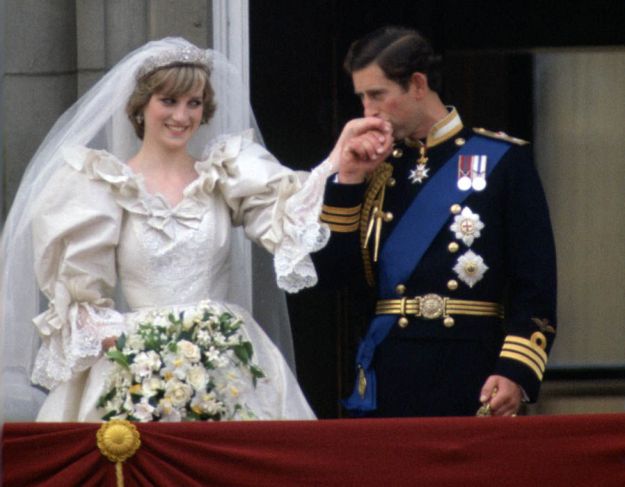
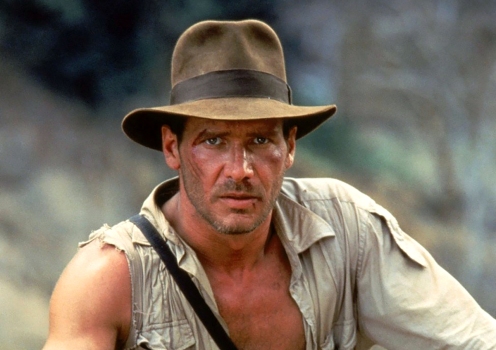
So 1981, the year that Prince Charles married Diana Spencer (and I won a fancy dress competition dressed as Diana in her wedding dress), Peter Sutcliffe is charged with being the Yorkshire Ripper, Dynasty debuts on TV, Pope John Paul II is shot, but not killed, John McEnroe throws a paddy at Wimbledon and shouts “You cannot be serious” at the umpire for the first time (and my brother won the boys section of the same fancy dress competition dressed as McEnroe with a large plaster over his mouth. The Beasleys were on FIRE in 1981), race riots spread across the UK, Bucks Fizz won the Eurovision Song Contest (best UK entry ever) and Raiders of the Lost Ark was released. I turned 5 years old.

IndianaJones3_V2

Yes please

Oh so this is when things get deliciously 80s. There may be some credible tunes here, but yes there is Adam Ant, yes there’s Kim Wilde and yes there’s Bucks Fizz and I’m not apologising for any of it. Enjoy!

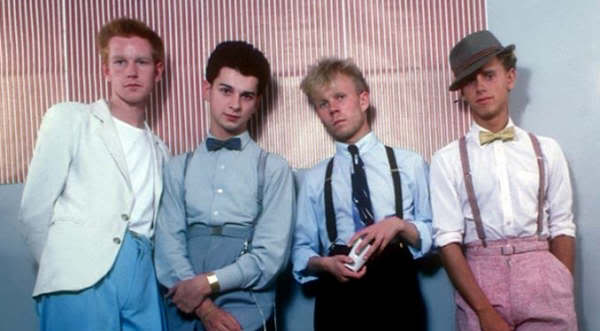
  1. Just Can’t Get Enough by Depeche Mode

d40886d9000dfe30726808699c0040dd

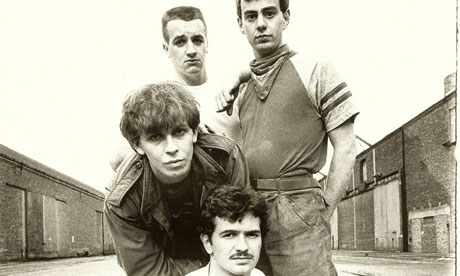
2. Reward by Teardrop Explodes

Teardrop-Explodes-006

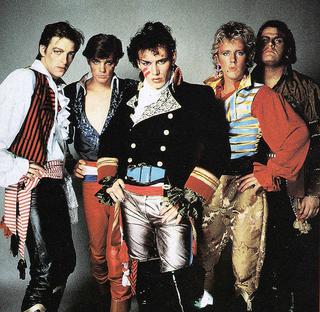
3. Kings of the Wild Frontier by Adam and the Ants

Adam_and_the_Ants_1981

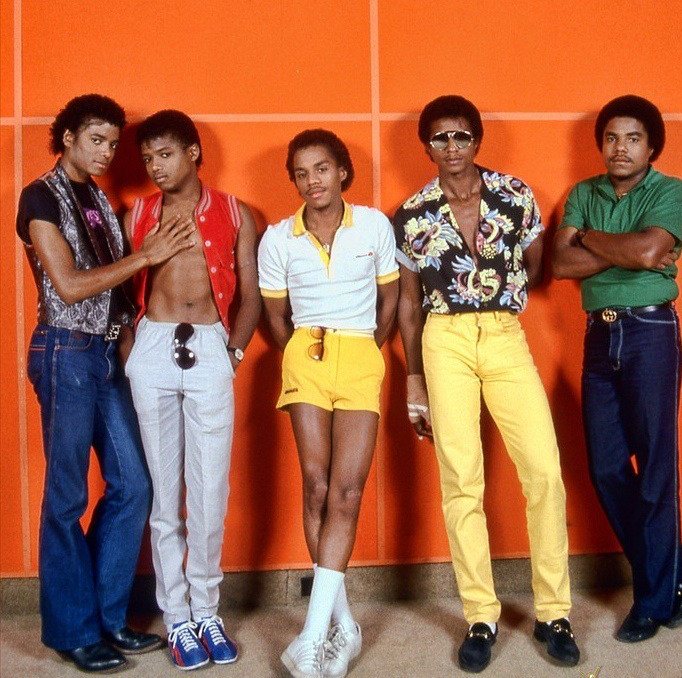
4. Can You Feel It by the Jacksons

294686956e87ef1bfb54a7d760bae947.jpg

5. Tainted Love by Soft Cell

https://youtu.be/xMjyzDZTPnc

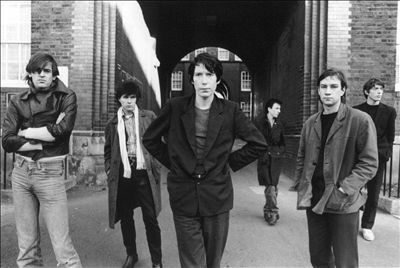
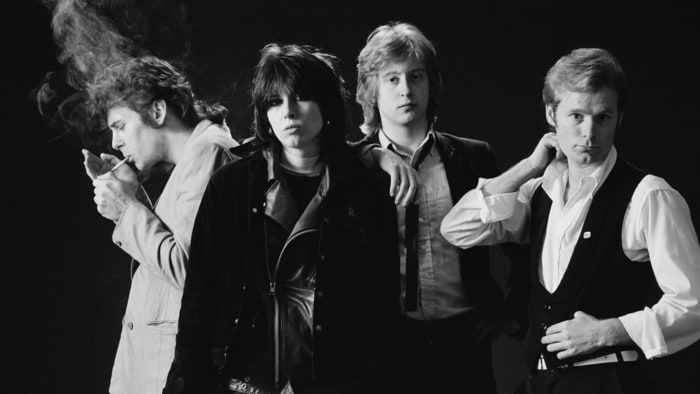
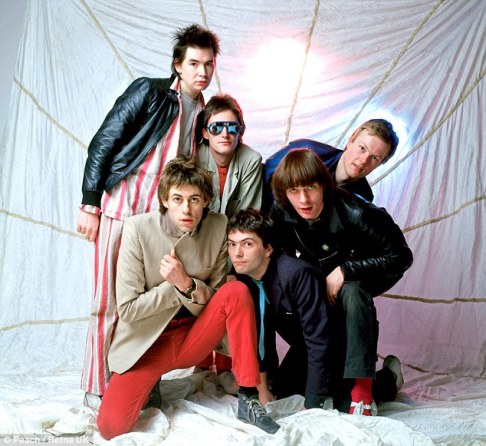
6. Pretty in Pink by Psychedelic Furs

psychedelic

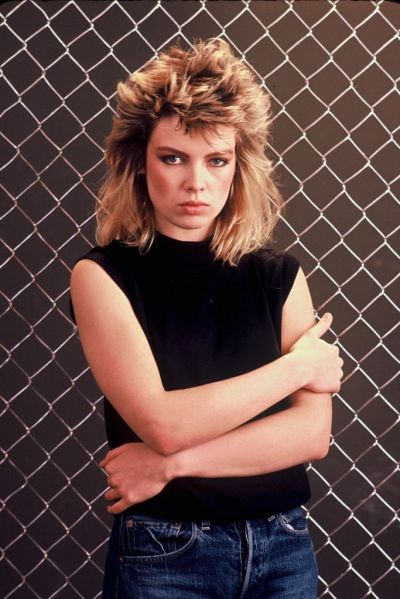
7. Kids in America by Kim Wilde

09f84520fe36937b9e29cf3725450497--wilde-s-music

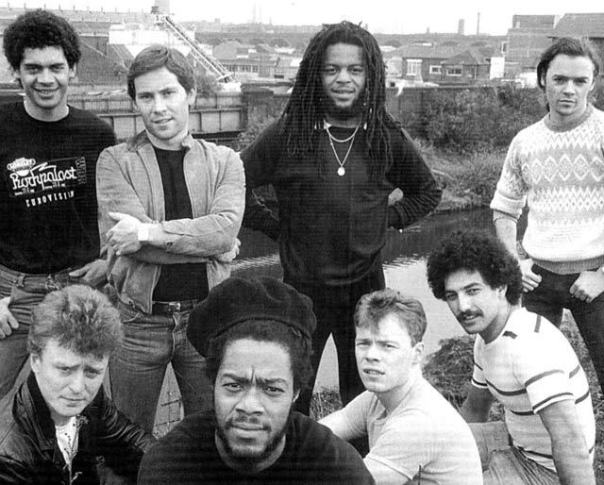
8. One in Ten by UB40

UB40-1980

9. Making Your Mind Up by Bucks Fizz (If you need cheering up then I implore you to watch this. It’s their Eurovision performance and it evens features our Tel*)

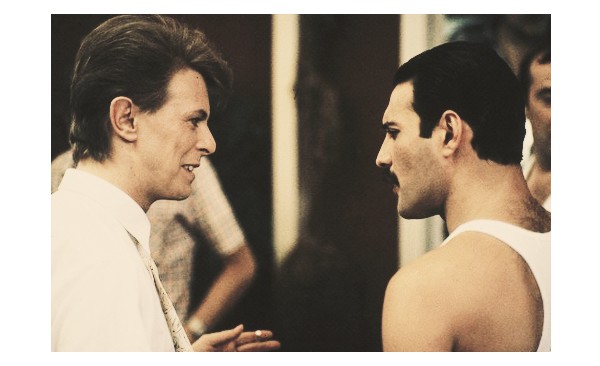
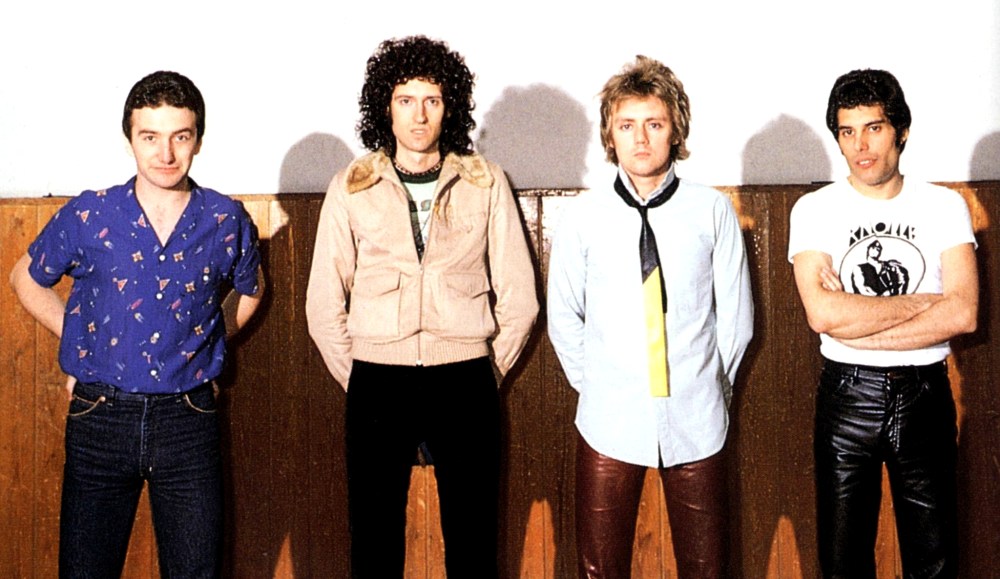
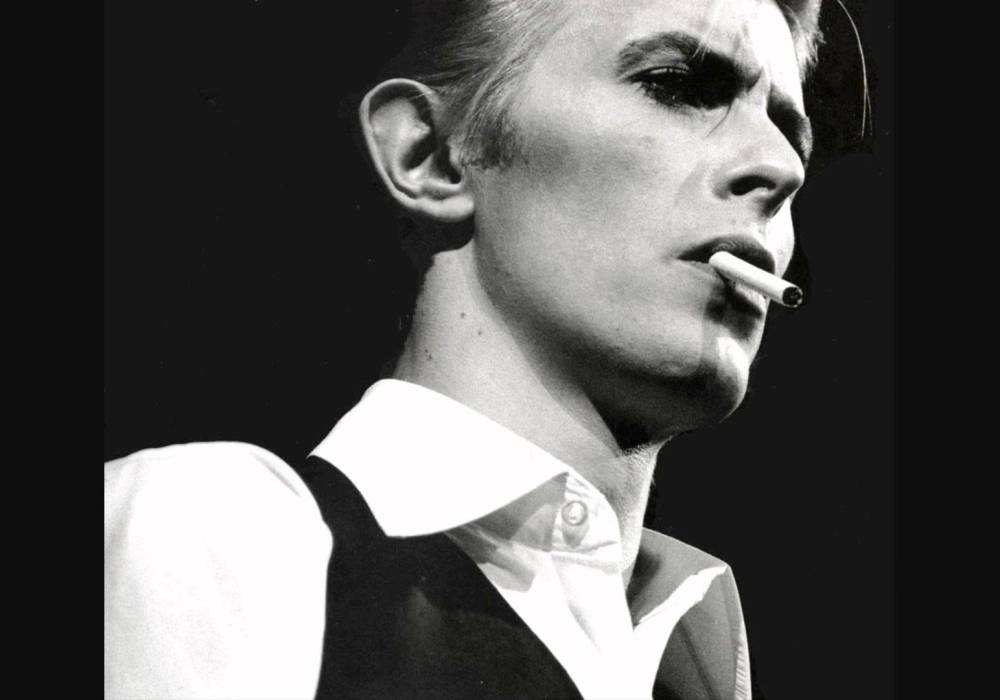
10. Under Pressure by Queen and David Bowie

bowie-mercury

Whilst this has been one of my favourite years so far (I think I say that every week), choosing my favourite was easy. It’s Queen and Bowie. Obvs. Which one is your favourite?

I’ll be taking a break from Top Ten Tunes next week as I’ll be posting my 10 most popular blog posts from this year instead. So see you on Friday 5th January for 1982.

*Famous Irish TV/radio personality Terry Wogan who was hugely popular and bit of legend in the UK and Ireland and who we sadly lost last year.


2017 Culture Review: the best of TV, Films and Music

Here’s my succinct cultural review of 2017. It’s been a great year for TV yet again, not so strong musically, but a few corkers nonetheless. I’ve only bothered with a top 3 for each category, but there were of course, lots of other great TV programmes, films and music from this year. There’s a longer playlist at the end with 25 of the best singles and album tracks from the year for y’all.

Best Album

3. Colours by Beck

2. MASSEDUCTION by St. Vincent

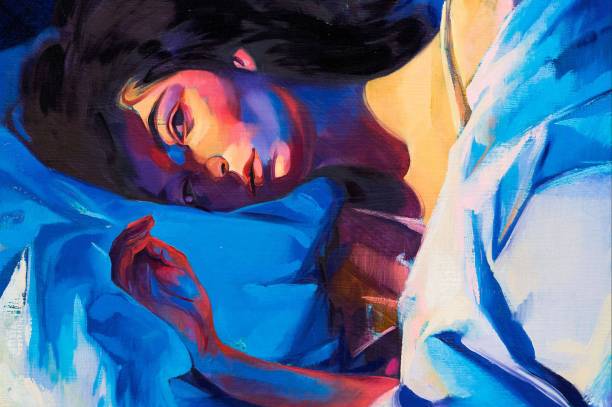
1. Melodrama by Lorde (gloriously unapologetic pop, whilst remaining beautiful, dramatic and intimate)

Lorde-Melodrama-1500x1000

Best Song

3. Everything Now by Arcade Fire

2. Tomorrow by Anni

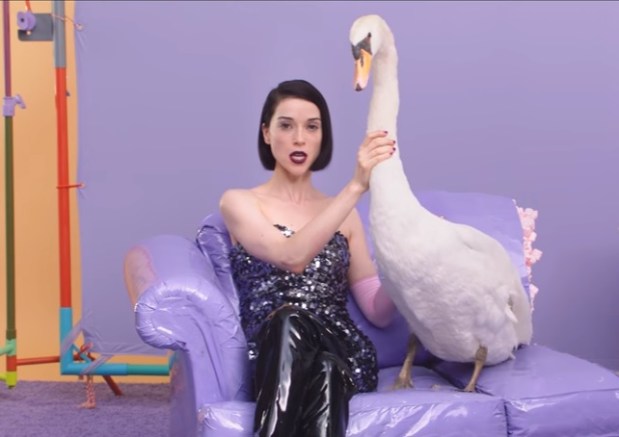
1. New York by St. Vincent (my only criticism of this song is that it’s far too short.)
st.-vincent-new-york-video-2

Best Film

3. Dunkirk/The Last Jedi (couldn’t decide between those two)

2. Trainspotting 2

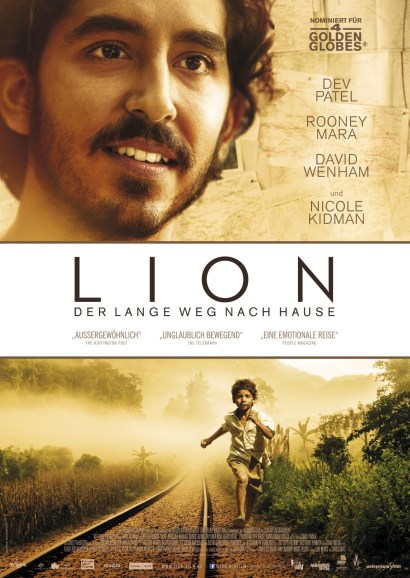
1. Lion (released at the beginning of 2017 in the UK and I’m still reeling from the fact it didn’t walk away with the Oscar for Best Picture quite frankly. Read more about how this film made me feel here)

Lion-Poster

Best TV Programme

3. Stranger Things

2. The Crown

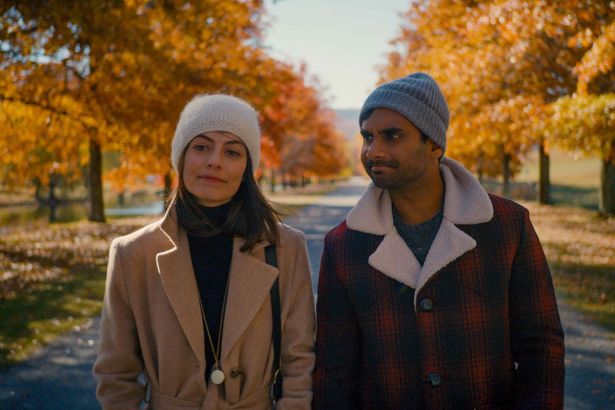
1. Master of None (actual perfectionism)

masterofnonemain.0

That’s mine. You know the score, now tell me yours.


Top Ten Tunes- 1980

Every Friday, I’m publishing my top ten songs from a single year and this week it’s the turn of 1980. Oh yes, I welcome you to the EIGHTIES!

For previous top ten tunes, please click on the year: 1960 1961 1962 1963 1964 1965 1966 1967 1968 1969 1970 1971 1972 1973 1974 1975 1976 1977 1978 1979 1981 1982 1983 1984 1985 1986 1987 1988 1989 1990 1991 1992 1993 1994 1995 1996 1997 1998 1999 2000 2001 2002 2003 2004 2005 2006 2007 2008 2009 2010 2011 2012 2013 2014 2015 2016 2017 2018 2019

http---a.amz.mshcdn.com-wp-content-uploads-2015-12-lennon-18

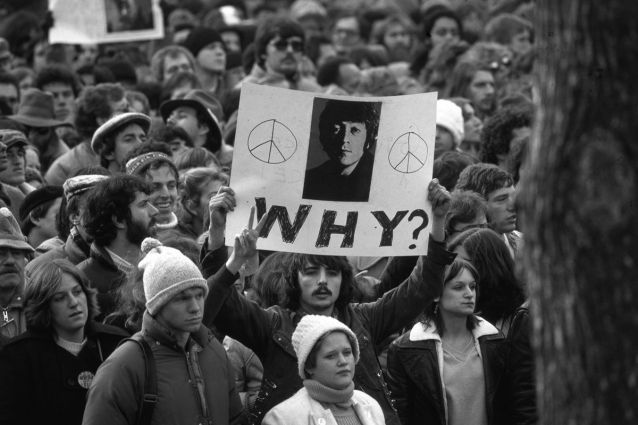
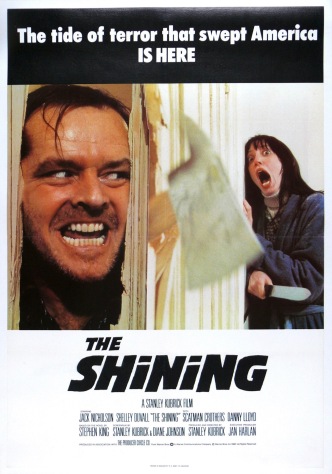
1980 was another eventful year. John Lennon was shot and killed in New York, a former Hollywood actor became the president of the United States, Alton Towers opened, the Rubik’s Cube was voted best toy, terrorists seized the Iranian embassy in London, which leads to the SAS to storm the embassy and release all the hostages, the world found out who shot JR?” and my all time favourite film The Shining is released. And I turned the grand old age of 4 years old.

c55d3f2463a47e4e85d260b9263528ea

So here’s my top ten songs from 1980. There’s a few repeat artists here (artists that have appeared on previous Top Tens), but this list is no weaker for it. Lots of strong tunes here and there’s a Spotify playlist at the end as always.

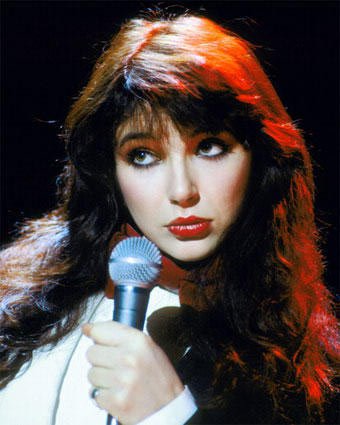
1. Babooshka by Kate Bush

2.  Baggy Trousers by Madness

https://youtu.be/XJOLwy7un3U

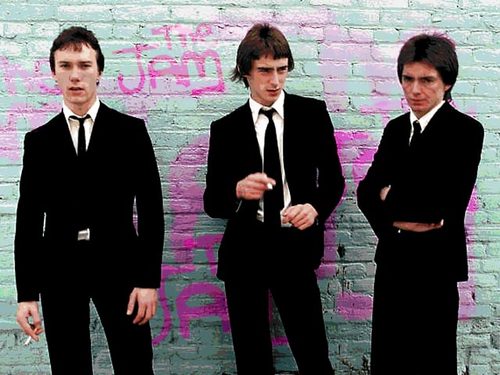
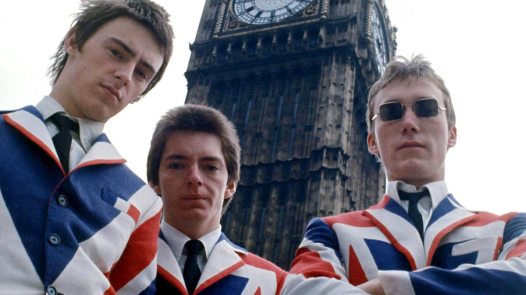
3. Going Underground by the Jam

The+Jam1

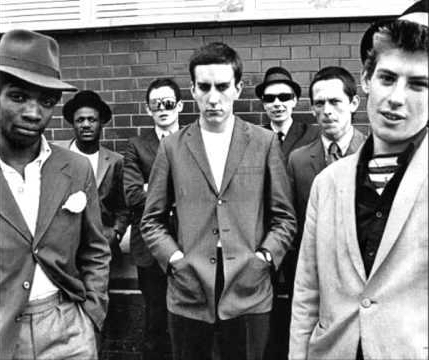
4. Too Much Too Young by the Specials

hqdefault-4.jpg

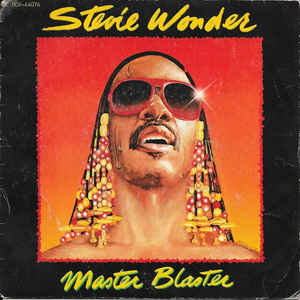
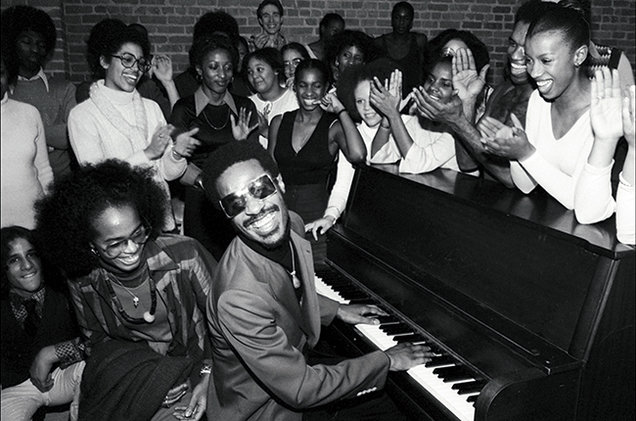
5. Master Blaster (Jammin’) by Stevie Wonder

R-2204395-1387653292-4739.jpeg

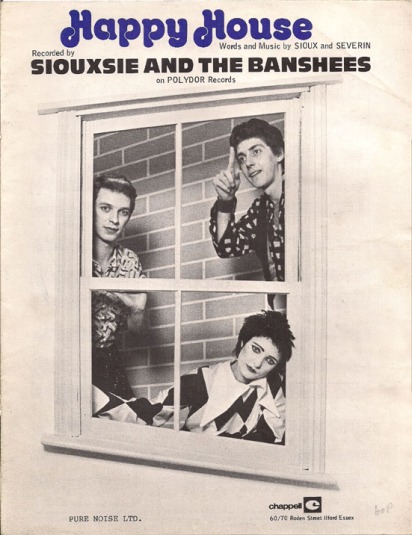
6. Happy House by Siouxsie and the Banshees

siouxsie-and-the-banshees-happy-house-1980-3

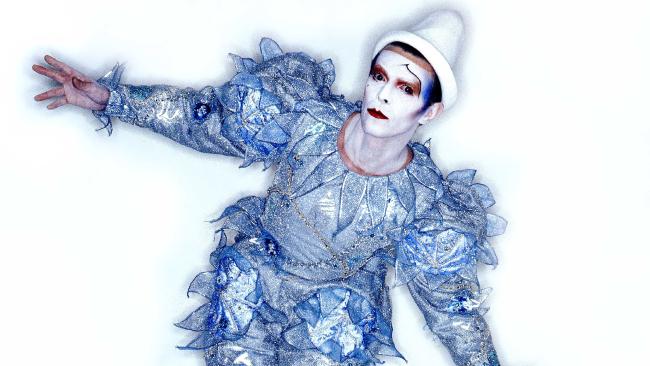
7. Ashes to Ashes by David Bowie

f9eab3955eaf0906acb1792e296b6106

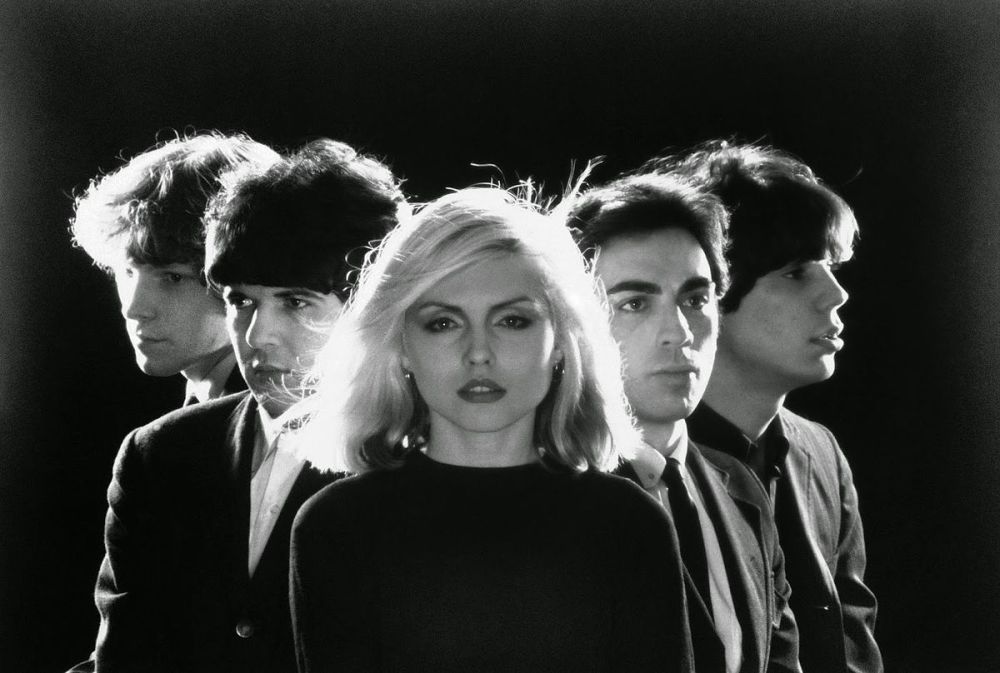
8. Atomic by Blondie

Blondie1977

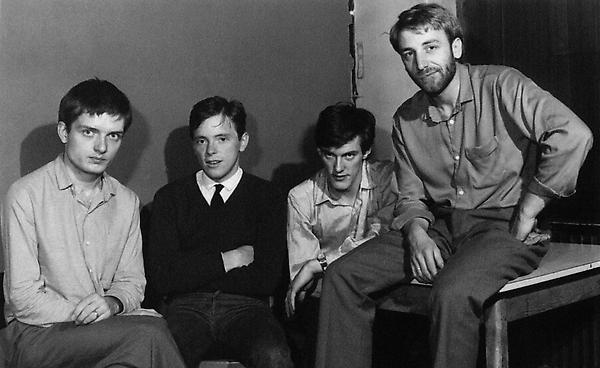
9. Love Will Tear Us Apart by Joy Division

JOY DIVISION

10. Brass in Pocket by The Pretenders

rs-182418-122714727

Whilst it’s very close between Blondie and Joy Division for my favourite track this week (kind of annoying these two songs appear within the same year tbh), but it has to be Joy Division. Love Will Tear Us Apart is one of the greatest songs every written. So, which is your favourite then?

See you next week for 1981!


Just Another Book Club- 2018 (part I)

Books-IFOA-2016-Tanja-Tiziana

Hooray, a new list of books for you to read! I set this online book club up last year as a way to reconnect people with a love of books and reading. I am as guilty as the next person of picking my phone up far more often than a book. So after enjoying running this online book club during the latter part of 2017, I’ve decided to continue it on into 2018 and I’d absolutely love for you to join me again. So for those of you that are new to my book club or need a reminder of how it works. Here’s a few pointers:

  1. I will provide a list of 6 books, one for each month for the first half of 2018.
  2. I’ll always provide at least one non-fiction book within a list.
  3. At the beginning of the following month, I’ll publish a quick post with my thoughts on the book.
  4. Your lovely selves can then provide your thoughts/opinions within the comments section (or within my Facebook blog page) and a discussion can evolve from there.
  5. Obviously, there’s no obligation. You can read all six, only three or just the one. Whatever suits you best or how much you want to join in.
  6. You can join in the discussion whenever you want, but the closer to the time I published my book review post the better, as you’re more likely to get a response from other readers. I’ll always respond though, so you really are welcome to leave your comment whenever you have finished a book. There are no time constraints.
  7. If this is continues to be a success, I’ll list 6 more books in June for the latter part of 2018.
  8. Drinking wine/gin/tea/coffee isn’t obligatory whilst joining in with the discussion about these books, but it might help.
  9. Any questions, let me know.

Okay, so now for the 6 books for the first half of this year.

  • January: Sweet Pea by C.J. Skuse

51QKj-4IPUL._SX314_BO1,204,203,200_

  • February: Hold Back the Stars by Katie Khan

51F452mNI8L._SY346_

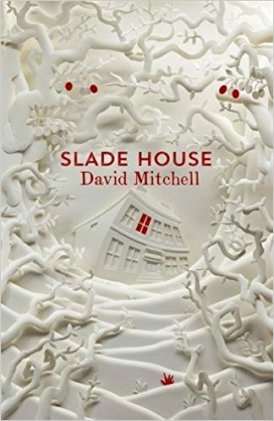
  • March: Slade House by David Mitchell

51ta3m0XibL._SX322_BO1,204,203,200_

  • April: Animal by Sara Pascoe (our non-fiction book selection)

9780571325245

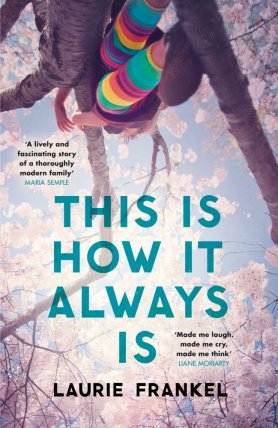
  • May: This is How it Always Is by Laurie Frankel

9781472241580

  • June: Stay With Me by Ayobami Adebayo

31349579

The chosen list of books is final. If you don’t fancy reading a particular book one month, just give it a miss that month. Hopefully, I’ll continue this again for the second half of the year too.

Lastly, I just want to thank the lovely Angela at You Are Awesome blog for providing me with the inspiration to set this up and also for her solid, continued support. Check out her blog post here about book clubs and her blog in general. She’s literally- the best.

So, join me! Together we can put our phones down and pick up a book. Do me a favour first though and please spread the word. It will be fantastic to get people from across the globe coming together to discuss a mutual love- books.

For a list of the books we discussed in 2017, click here.

home-library-21

My dream home library (dog included).

Top Ten Tunes- 1979

Every Friday, I’m publishing my personal top ten songs from a single year and this week it’s the turn of 1979.

For previous top ten tunes, please click on the year: 1960 1961 1962 1963 1964 1965 1966 1967 1968 1969 1970 1971 1972 1973 1974 1975 1976 1977 1978 1980 1981 1982 1983 1984 1985 1986 1987 1988 1989 1990 1991 1992 1993 1994 1995 1996 1997 1998 1999 2000 2001 2002 2003 2004 2005 2006 2007 2008 2009 2010 2011 2012 2013 2014 2015 2016 2017 2018 2019

img_panel_1365594478

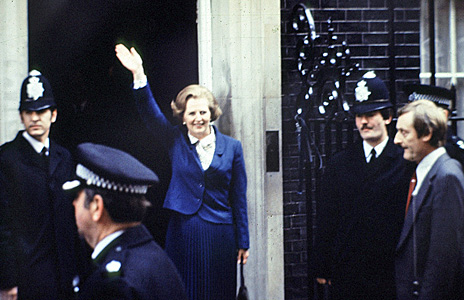
Margaret Thatcher, the first British female Prime Minister

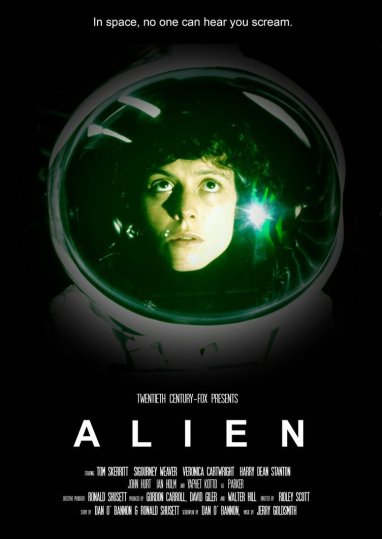
So in 1979, Sid Vicious died of an overdose, an IRA bomb killed Lord Mountbatten, some bird called Margaret Thatcher became Prime Minister and Alien was released. And yes, I celebrated my 3rd Birthday.

alien-1979-752-x-1063-1

I have to say this has been my favourite year so far and it features my favourite song of all time. And because I’m such a fascinating human being, I’m going to leave it to you to work out which one it might be…

[Spotify playlist at the end as per]

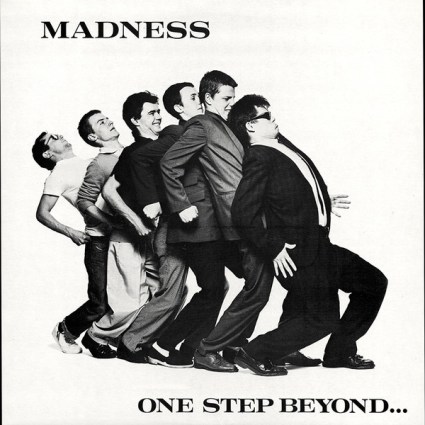
  1. One Step Beyond by Madness

R-395329-1438983066-2382.jpeg

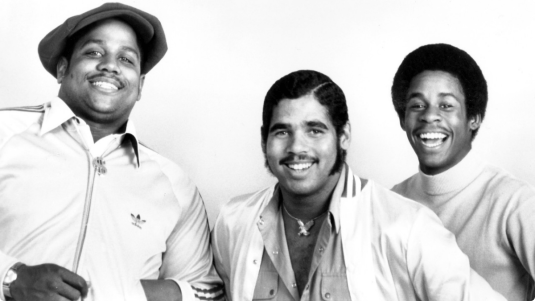
2. Rapper’s Delight by Sugarhill Gang

sugarhill

3. I Will Survive by Gloria Gaynor

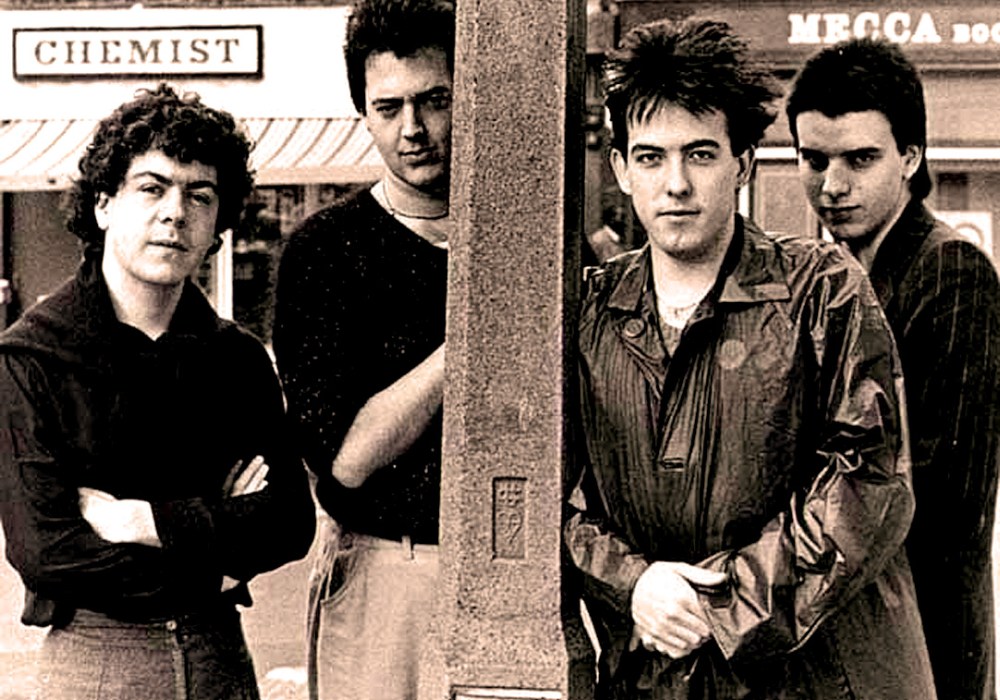
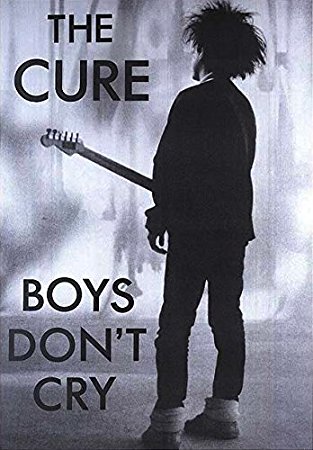
4. Boys Don’t Cry by The Cure

51hH+5Z7WnL._SY450_.jpg

5. Video Killed the Radio Star by the Buggles

6. I Don’t Like Mondays by Boomtown Rats

396A83A600000578-0-image-m-49_1476553226826

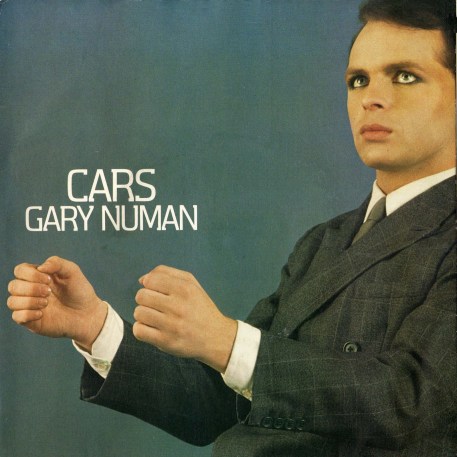
7. Cars by Gary Numan

Gary Numan. Cars

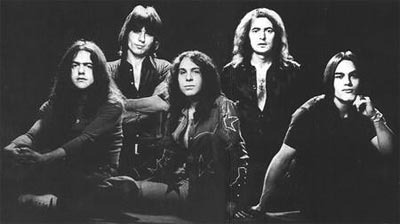
8. Since You’ve Been Gone by Rainbow

rainbow

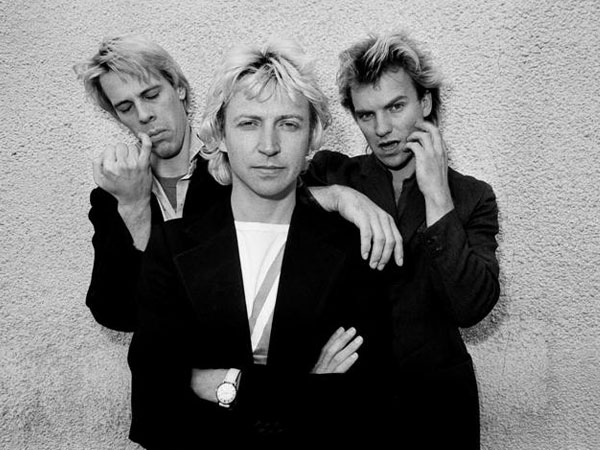
9. Roxanne by The Police

ThePolice

10. Don’t Stop Me Now by Queen

1015130_180811828746945_894138986_o

So don’t be shy, tell me which one is your favourite from this 1979 list of absolute corkers.

See you next week for the beginning of…..THE EIGHTIES!


*Top image is the Cure in 1979


Just Another Book Club- November Book

Please leave your comments below or within the appropriate post on my Facebook page. Please feel free to peruse other people’s comments and respond to them.

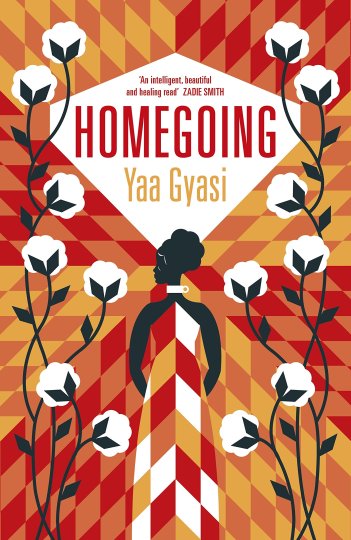
Homegoing

by Yaa Gyasi
81qLl64WbrL

Synopsis

In summary, Homegoing is the sprawling tale of two families split between America and Africa. At the beginning of the book we learn how two sisters are born, but never meet. The book tells the story of each generation that follows from both sides of the family over many years. Through slavery, one family is based in America whilst the other remains in Africa. The title of the book origin’s derive from an old African-American belief that death allowed an enslaved person’s spirit to travel back to Africa.

My Quick Review

First of all, I know one is not meant to judge a book by its cover, BUT I really wanted to mention how gorgeous the cover is for Homegoing and you’ll like this seamless connection: it’s almost as gorgeous as the book itself. Thank you.

But let us move on to more profound thoughts on this book. In short, the enormity of the importance of this book cannot be overstated. It is one of those books that people should be forced to read as it gives the reader a greater understanding of the world and the fabrics of its society (I think there’s a post brewing which lists all the books that I think people should be made to read. One day, I’ll get round to it).

I thought I knew a fair bit about the history of slavery, but after reading this book I realised I knew not nearly enough. Through reading this I learnt so much about African culture too. I absolutely adore books that I can learn from and this book is no exception.

This book at times made me feel ashamed to be British (I’m referring to our disgusting slavery history) and I can imagine the same would be said for an American reading the book. The book so often made me angry and the deplorable injustices that were suffered by slaves and the generations that followed them (my heart will forever break for H and Kojo).

Whilst, this book was consistently shocking and disturbing, the writer somehow managed to write in such a beautiful way. The strength of characters made the reader fall in love with them and root for them (even the flawed characters).

I loved how each chapter represented a different character from a different generation. Referring back to my previous comment, whilst the subject matter of each chapter was often horrific, it also felt like each chapter was telling a different love story. Ultimately, what connects each story to each other is love.

The book sits uneasily with the reader as so many of the issues you read about that existed many years ago, still prevail in America today. It’s abhorrent that one reads and thinks “how has any of this really changed?”. I think the book does a very good (and eloquent) job of illustrating this.

I thought the symbolism of the stone necklace was perfect. For me, I felt like it represented African history. When an African was taken from Africa and enslaved and shipped off to America, it was as if their African history was erased. The African-American person’s history then starts with slavery in America, but this of course not the start of their history. When Marjorie hands Marcus the stone necklace, it is like she is handing back his rightful history that was so cruelly taken from him and his ancestors. It is a beautiful and extremely emotional moment.

It was interesting that Marjorie and her side of the family seemed to represent fire and that Marcus’s represented water. When Marjorie and Marcus meet and connect, they persuade each other to embrace the element that they each fear. In this sense, Marjorie and Marcus complete each other.

This book is a fantastic achievement for a debut author. It is truly wonderful and so far (though we only have one book left on the list), this is my favourite book that we have read.

I loved so many quotes in this book. I made a list for you.

The need to call this thing “good” and this thing “bad”, this thing “white” and this thing “black”, was an impulse that Effia did not understand. In her village, everything was everything. Everything bore the weight of everything else.

Slavery aint’ nothin’ but a dot in your eye, huh? If nobody tell you, I’ma tell you. War may be over but it ain’t ended. 

He was not the con they had told him he was.

This is the problem of history. We cannot know that which we were not there to see and hear and experience for ourselves. We must rely upon the words of others….(for example) Kojo says that when the warriors came to his village the coats were red, but Kwame says that they were blue. Whose story do we believe, then? We believe the one who has the power. He is the one who gets to write the story. So when you study history, you must always ask yourself , Whose story am I missing? Whose voice was suppressed, so that this voice could come forth?

The news made it sound like the fault lay with the blacks of Harlem. The violent, the crazy, the monstrous black people who had the gall to demand that their children not be gunned down in the streets. 

The Ruin of a Nation Begins in the Homes of Its People
21939985._SX540_

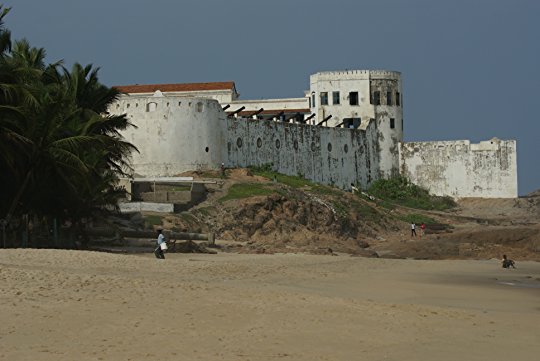
Cape Coast Castle, Ghana

Questions to Consider

1. Evaluate the title of the book. Why do you think that the author chose the word Homegoing? What is a homegoing and where does it appear in the novel? In addition to the term’s literal meaning, discuss what symbolic meanings or associations the title might have in terms of a connection with our place of birth, our ancestors, our heritage, and our personal and cultural histories.

2. Explore the theme of belief. What forms of belief are depicted in the book and what purpose do these beliefs seem to serve for the characters? Does the author reveal what has shaped the characters’ beliefs? Do these beliefs seem to have a mostly positive or negative impact on the believer and those around them?

3. What perspective does the book offer on the subject of beliefs and otherness? For instance, does the book delineate between superstition and belief? Why does Ma Aku reprimand Jo after he is kicked out of church? What do the Missionary and the fetish man contribute to a dialogue on beliefs and otherness? Does the book ultimately suggest the best way to confront beliefs that are foreign to us?

4. Evaluate the treatment and role of women in the novel. What role does marriage play within the cultures represented in the novel and how are the women treated as a result? Likewise, what significance does fertility and motherhood have for the women and how does it influence their treatment? In the chapter entitled “Effia,” what does Adwoa tell Effia that her coupling with James is really about? In its depiction of the collective experiences of the female characters, what does the book seem to reveal about womanhood? How different would you say the treatment and role of women is today? Discuss.

5. Analyze the structure of the book. Why do you think the author assigned a chapter to each of the major characters? What points of view are represented therein? Does any single point of view seem to stand out among the rest or do you believe that the author presented a balanced point of view? Explain. Although each chapter is distinct, what do the stories have in common when considered collectively? How might your interpretation of the book differ if the author had chosen to tell the story from a single point of view?

6. Consider the setting of the book. What time periods are represented and what places are adopted as settings? Why do you think that the author chose these particular settings? What subjects and themes are illuminated via these particular choices? How does the extensive scope of the book help to unify these themes and create a cohesive treatment of the subjects therein?

7. In the chapter entitled “Quey,” Fiifi tells Quey that “[the] village must conduct its business like [the] female bird” (53). What does he mean by this and why do you think that Fiifi chooses this approach?

8. Why was Quey sent to England? After his return home, why does Quey say that it was safer in England? Why might he feel that what he faces at home is more difficult than the challenges he faced in leaving home and living abroad?

9. James’s mother, Nana Yaa, says that the Gold Coast is like a pot of groundnut soup (89). What does she mean by this?

10. Why does Akosua Mensah insist to James, “I will be my own nation” (99)? What role do patriotism, heritage, and tradition play in contributing to the injustices, prejudices, and violence depicted in the book? Which other characters seem to share Akosua’s point of view?

11. Explore the theme of complicity. What are some examples of complicity found in the novel? Who is complicit in the slave trade? Where do most of the slaves come from and who trades them? Who does Abena’s father say is ultimately responsible (142)? Do you agree with him? Explain why or why not.

12. Examine the relationships between parents and children in the book. How would you characterize these relationships? Do the children seem to understand their parents and have good relationships with them and vice versa? Do the characters’ views of their parents change or evolve as they grow up? How do the characters’ relationships with their parents influence the way that they raise their own children?

13. What significance does naming have in the book? Why do some of the characters have to change or give up their names? Likewise, what do the characters’ nicknames reveal both about them and about those who give or repeat these names? What does this dialogue ultimately suggest about the power of language and naming?

14. Explore the motif of storytelling. Who are the storytellers in the book and what kinds of stories do they tell? Who is their audience? What might these examples suggest about the purpose and significance of a storytelling tradition?

15. According to Akua, where does evil begin? Where else in the book do readers find examples that support her view? What impact does Akua’s opinion have on Yaw’s lifework? Does he agree with Akua’s view or refute it? Do you agree with her? Discuss.

16. What is history according to Yaw? What does he tell his students is “the problem of history” (226)? Who does Yaw say we believe when reading historical texts and what does he say is the question we must ask when studying history? How might these ideas influence your own reading of Gyasi’s book and reshape your ideas about the historical subjects and themes treated therein?

17. Sonny says that the problem in America “wasn’t segregation but the fact that you could not, in fact, segregate” (244)? What does he mean by this? What does Sonny say that he is forced to feel because of segregation? Which of the other characters experience these same feelings and hardships? Does there seem to be any progress as the story goes on? If so, how is progress achieved? Alternatively, what stymies and slows progress in this area?

18. What is Marcus studying and why isn’t his research going well? What feeling does he indicate that he hopes to capture with his project? Why does Marcus go to Ghana and what does he learn from his experiences there? Marcus believes that “most people lived their lives on upper levels, not stopping to peer underneath (298). What does he mean by this? Where do we find examples of this elsewhere in the book? Are there any characters in the novel who defy this characterization?

19. Consider the book’s treatment of colonialism and imperialism. In the chapter entitled “Esi” at the start of the book, what does Esi’s mother tell her daughter that weakness and strength really are? How does her definition of weakness and strength correspond to the dialogue about colonialism and imperialism that runs throughout the book? Discuss how this dialogue expands into a deeper conversation about freedom and human rights. Have the issues surrounding colonialism, imperialism, freedom, and human rights featured in the book been resolved today or do they linger? If they remain, does the book ultimately offer any suggestions or advice as to how this might be remedied?

(Questions issued by the publisher.)

December’s book is My Grandmother Sends Her Regards and Apologises by Fredrik Backman. I’ll be starting the conversation for this on Wednesday 3rd January.

A list of new books for the first six months of 2018 will be published NEXT MONDAY 11th DECEMBER.
 

Top Ten Tunes- 1978

Every Friday, I’m publishing my personal top ten songs from a single year and this week it’s the turn of 1978.
For previous top ten tunes, please click on the year: 1960 1961 1962 1963 1964 1965 1966 1967 1968 1969 1970 1971 1972 1973 1974 1975 1976 1977 1979 1980 1981 1982 1983 1984 1985 1986 1987 1988 1989 1990 1991 1992 1993 1994 1995 1996 1997 1998 1999 2000 2001 2002 2003 2004 2005 2006 2007 2008 2009 2010 2011 2012 2013 2014 2015 2016 2017 2018 2019

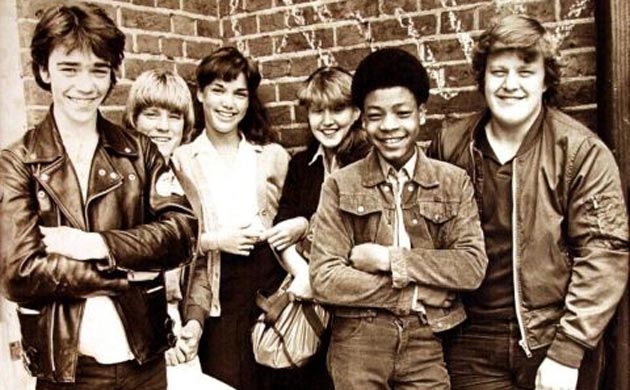
GrangeHillCast1978-630-6916

Grange Hill

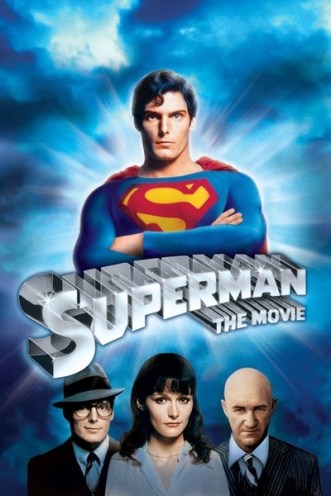
In 1978, the first ever test tube baby was born, Nancy Spungen was stabbed to death by Sid Viscous in New York, Grange Hill and Dallas debuted on TV, Ipswich Town won the FA Cup and both Grease and Superman were released. And I turned 2 years old.

large_rLTdj7oB9oxsYwuweeglWRzRng7

So, here’s my personal top ten tracks from 1978. Spotify playlist at the end of this post as usual.

  1. Blame it on the Boogie by The Jacksons (if you have a spare 4 minutes you will not regret watching this glorious Jacksons video. It is 100% 70s)

https://youtu.be/mkBS4zUjJZo

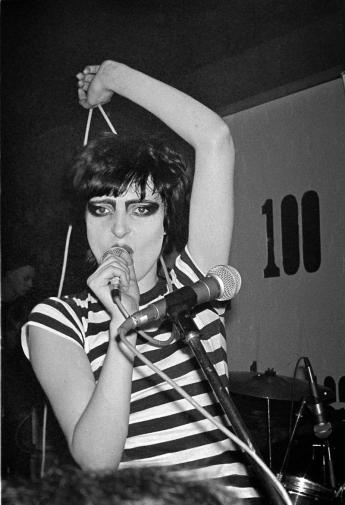
2. Hong Kong Garden by Siouxsie & the Banshees

oh-15-03486_siouxsieandthebanshees100club1978_1copy2.jpg

3. Teenage Kicks by The Undertones

_65387743_undertones

4. Wuthering Heights by Kate Bush (you won’t regret watching this video either. Obviously. It’s Kate being a QUEEN as per)

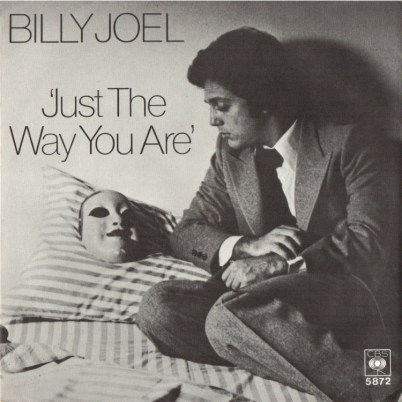
5. Just the Way You Are by Billy Joel (whilst this was released in ’77, it didn’t become popular and didn’t peak in the UK charts until ’78)

billy-joel-just-the-way-you-are-1978-6

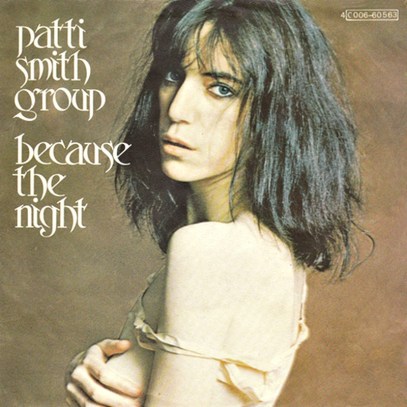
6. Because the Night by Patti Smith Group

patti_smith_group-because_the_night_s_2

7. To Be Someone (Didn’t We Have a Nice Time) by the Jam

p02vkd9h

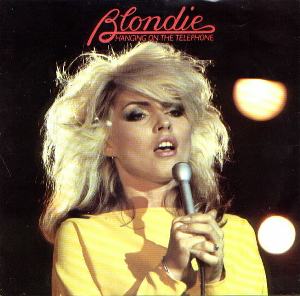
8. Hanging on the Telephone by Blondie

Blondie_-_Hanging_On_The_Telephone_(UK)

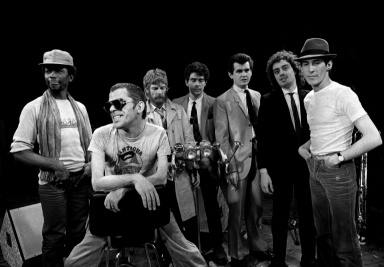
9. Hit Me With Your Rhythm Stick by Ian Dury & the Blockheads

ian_dury_00.jpg

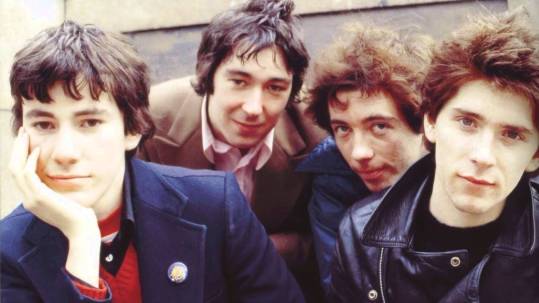
10. Ever Fallen in Love (with someone you shouldn’t’ve) by the Buzzcocks

maxresdefault-5

So, you know the drill, let me know your favourite please. For me, it’s very close between the Undertones and Kate Bush, but it ultimately has to be Kate.

See you kids next week for 1979.

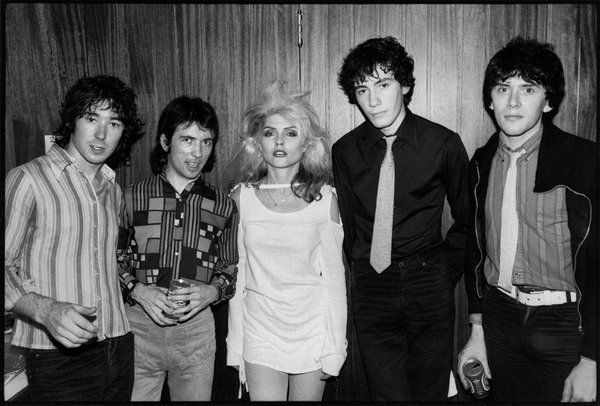
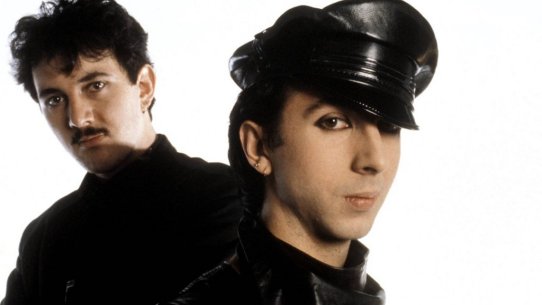
*The image at the top of the page is of Debbie Harry with the Buzzcocks in 1978.

Top Ten Tunes- 1977

Every Friday, I’m publishing my personal top ten songs from a single year. Last week, I started with 1976 and this week it’s the turn of 1977.

For previous top ten tunes, please click on the year: 1960 1961 1962 1963 1964 1965 1966 1967 1968 1969 1970 1971 1972 1973 1974 1975 1976 1978 1979 1980 1981 1982 1983 1984 1985 1986 1987 1988 1989 1990 1991 1992 1993 1994 1995 1996 1997 1998 1999 2000 2001 2002 2003 2004 2005 2006 2007 2008 2009 2010 2011 2012 2013 2014 2015 2016 2017 2018 2019

wedding-slideshow-_1858853i

Silver Jubilee street party

In 1977, Elvis died aged 42, Red Rum wins the Grand National for the 3rd time, there were street parties all across the UK for the Queen’s Silver Jubilee, Jimmy Carter is elected President of the United States and Star Wars was released and broke all box office records. Aaaaand yours truly turned 1 year old.

cinest5

So, here’s my personal top ten tracks from 1977 and you may notice two artists that also featured in 1976’s list (they’re two of my all time favourite artists, so you may have to get used to it). Spotify playlist at end as per.

  1. Lust for Life by Iggy Pop

IggyPopLustForLife

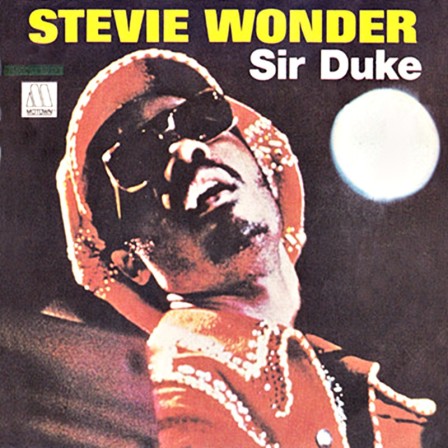
2. Sir Duke by Stevie Wonder

stevie_wonder-sir_duke_s_5

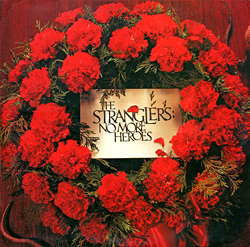
3. No More Heroes by The Stranglers

Stranglers_-_No_More_Heroes_album_cover

4. Psycho Killer by Talking Heads

5. Heroes by David Bowie

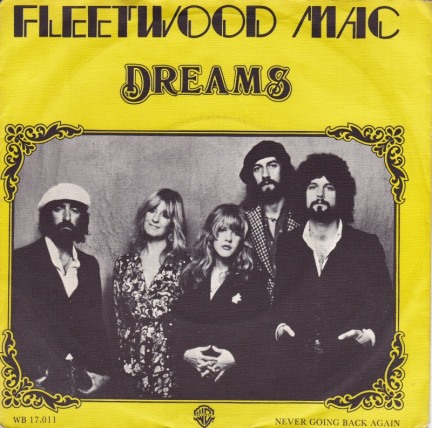
6. Dreams by Fleetwood Mac

fleetwoodmac

7. Uptown Top Ranking by Althea and Donna

hqdefault-3.jpg

8. Oh Bondage Up Yours by X-Ray Spex

p01bqtz7

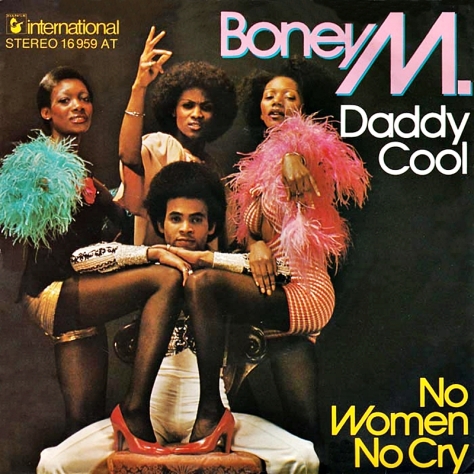
9. Daddy Cool by Boney M

boney_m-daddy_cool_s

10. Nobody Does it Better by Carly Simon

carly-simon-nobody-does-it-better-elektra-3

Which one do you rate the most? Bowie is undoubtedly my favourite track here.

See you cats next week for 1978.


Top Ten Tunes- 1976

Let me introduce you to a new weekly music feature here at Just Another Blog from a Woman. Every Friday I’m going to post a top ten list of songs from a single year, starting from 1976 through to the present year. Why start from 1976, you ask? Well, that’s the year I was born and I had to find a way to make this all about me, me, me. However, as quite a few of you are probably around my age (and even if you’re not), I’m hoping all you music lovers will appreciate some of the tunes I throw your way.

For previous top ten tunes, please click on the year: 1960 1961 1962 1963 1964 1965 1966 1967 1968 1969 1970 1971 1972 1973 1974 1975 1977 1978 1979 1980 1981 1982 1983 1984 1985 1986 1987 1988 1989 1990 1991 1992 1993 1994 1995 1996 1997 1998 1999 2000 2001 2002 2003 2004 2005 2006 2007 2008 2009 2010 2011 2012 2013 2014 2015 2016 2017 2018 2019

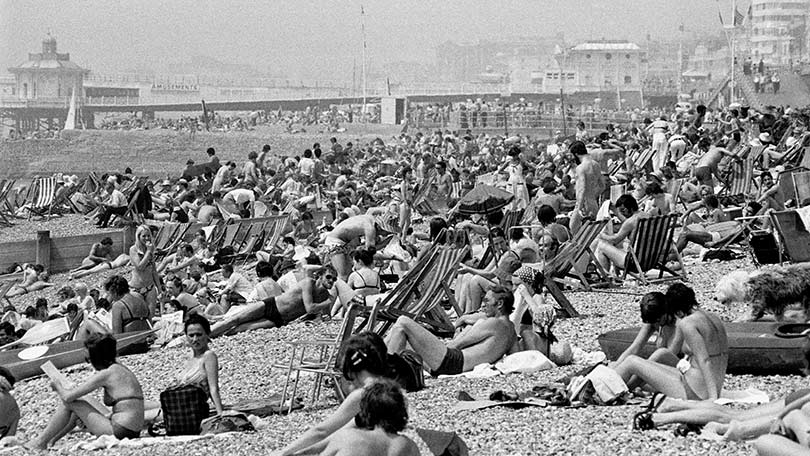
drought-1976-136397520468226901-150630120514

A few people taking advantage of the heatwave of 1976

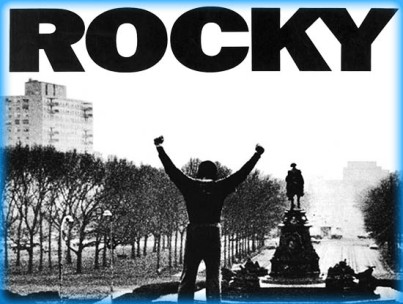
So, starting with the year where we had the worst drought on record in the UK, the first concorde flight took place, rioting started in Notting Hill, the Cod Wars happened and the film Rocky was released. Oh yeah and yours truly was born (the most significant event quite frankly). Here we have my personal top ten songs from 1976 (in no particular order).

rocky_blue

There’s a Spotify list at the end of the post as per.

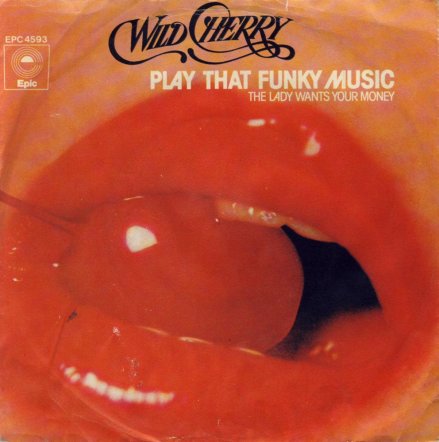
  1. Play That Funky Music by Wild Cherry

a1064d7278cea0eb94b7be020e2f7f19.992x1000x1

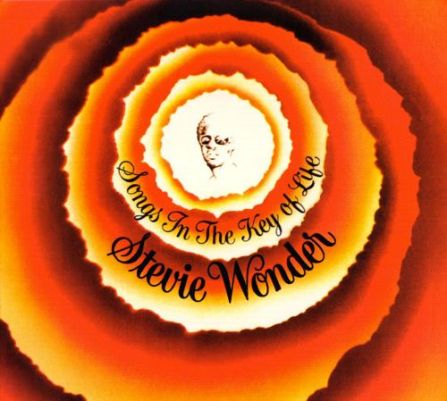
2. I Wish by Stevie Wonder

MI0002053115

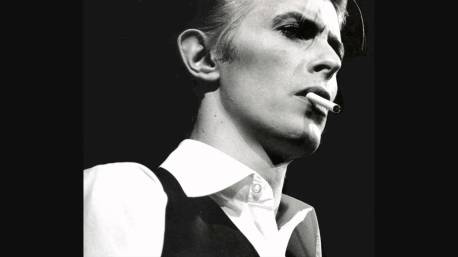
3. Golden Years by David Bowie

maxresdefault-4

4. Jolene by Dolly Parton

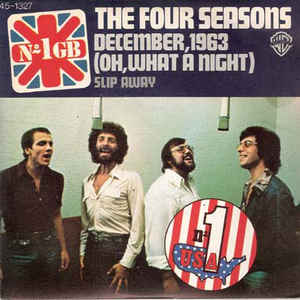
5. December ’63 (Oh, What a Night) by the Four Seasons

R-4606011-1369745075-1885.jpeg

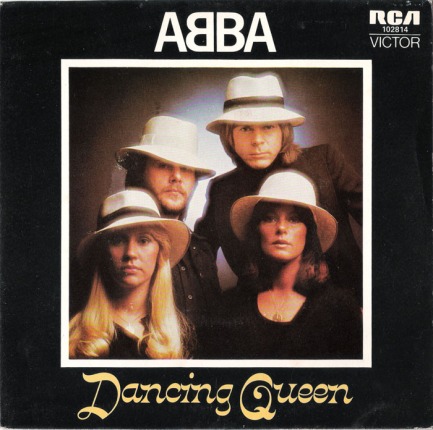
6. Dancing Queen by Abba

abba-dancing-queen-rca-victor-5

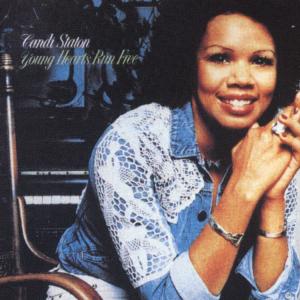
7. Young Hearts Run Free by Candi Staton

Young-Hearts-Run-Free2

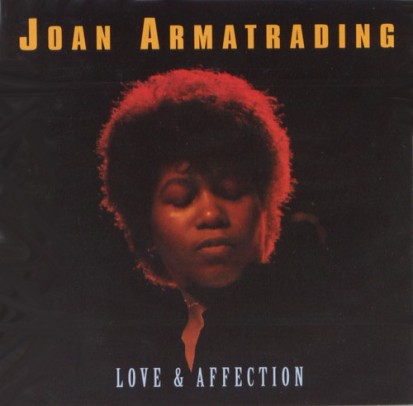
8. Love and Affection by Joan Armatrading

Joan_Armatrading_-_Love_&_Affection

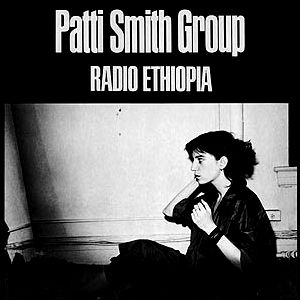
9. Pissing in a River by Patti Smith

Patti_Smith_Group_-_Radio_Ethiopia

10. Somebody to Love by Queen

Let me know which is your favourite. Mine’s got to be Queen. See you next week for 1977.


Just Another Book Club- October Book

Please leave your comments below or within the appropriate post on my Facebook page. Please feel free to peruse other people’s comments and respond to them.

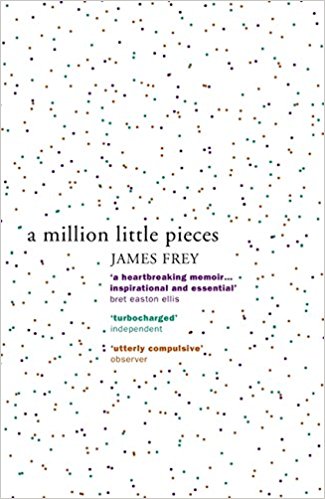
A Million Little Pieces

by James Frey

51qh4Es5nmL._SX323_BO1,204,203,200_

Synopsis

First of all, it is worth noting that at first this book was marketed as a memoir. However, it came to light that it was in fact a piece of semi-fiction based heavily on James Frey’s experiences as a drug addict and his time in rehabilitation. Therefore, it cannot be looked upon as a non-fiction memoir. The book starts with James waking up on a plane badly beaten up and severely recovering from his latest drugs and drink binge. He is swiftly taken to rehab and the book documents his recovery there.

My Quick Review

If you think this memoir reads like a novel, that’s because essentially it is a novel. At first, when I was reading it, I kept on finding it unbelievable that it is was all real. Then I found that so much of it wasn’t. However, this should not deter one from appreciating this book and the fact that it is a fine piece of writing.

First of all, it is one of those page turning gems. At over 500 pages long, it look me only a week to read it. It definitely had that “unputdownable” quality about it.

One of the first things that strikes you about this book is the writing style of James Frey. There are no indented spaces for paragraphs and his sentence structure is unconventional to say the least. I feel the book was all the better for it. Personally, I thought this symbolised the jumbled, disorganised thoughts and scrambled brain of James the recovering addict. Speech is not indicated by the usual speech marks and sometimes you had to really stay on the ball to realise which character was saying what. This was something that I did not mind and seemed to get used to very quickly.

However, writing style aside this was not an easy book to read. The scene where James determinedly pulls one of his toe nails out purely for some kind of release from mental anguish, will haunt me forever. I could barely read that scene and had to keep on breaking off from it. I only just made it through by reading it with one eye closed (no, I don’t know the logic behind that either). I think I even retched at one point. This however does show the power of James Frey’s writing. That is only one scene that I found hard to stomach. I haven’t even mentioned the dental surgery performed without any anaesthetic, the scene when James finds Lily in the crack house and the many, MANY scenes of him vomiting.

One thing, that kept on puzzling me, was why did Frey capitalise certain words that wouldn’t normally be capitalised. They would always be nouns such as “Room”, “House” and “Road”. I couldn’t decide if it was to emphasise his detachment from the real world (as opposed to his usual heavily “medicated” state) or a way of mocking the whole rehabilitation process OR was it a way to provide more meaning to the words, more significance and weight to them? I’d be really interested to hear your thoughts on this.

For me, the only negative aspect of this book were the scenes between James and Lily. I always found myself rolling my eyes every time they met up. I found the scenes unrealistic and overly sentimental, almost cheesy. I felt like the book as a whole was better than that. I can see why James Frey introduced a love interest to the story (and of course it may actually have had happened in real life, we’re never sure which parts of the book are fact and which are fiction), but I wish it had been told in a more believable way.

James as a character or a semi-character is deeply flawed (obviously), but does this make him an anti-hero? My first thought is that it does’t. How can someone who has lived his life the way he has be called any kind of hero. However, he does quite miraculously start to rebuild a relationship with his parents, help Lily and other friends he made in rehab and best of all rehabilitate himself. These are commendable feats, but I’m still uneasy with referring to him in a heroic way.

I do also question the rebuilding of his relationship with his parents. He seemed to quite quickly and easily see the faults in their relationship and the things he had done wrong. He then very gracefully communicated this to his parents. Whilst I appreciate someone can become enlightened and broken relationships can be mended, I’m not convinced by the ease that James did this with.

Overall and despite a handful of faults, I thoroughly enjoyed this book. It was my favourite on the list so far, until…I read the next book on the list. More on that next month.

So, let me know what you think of A Million Little Pieces. I think this is great book for a book club discussion.

Questions to Consider

1. A Million Little Pieces presents some unusual formal innovations: Instead of using quotation marks, each piece of dialogue is set off on its own line with only occasional authorial indications of who is speaking; paragraphs are not indented; sentences sometimes run together without punctuation; and many passages read more like poetry than prose. How do these innovations affect the pace of the writing? How do they contribute to the book’s rawness and immediacy? How is James Frey’s unconventional style appropriate for this story?

2. How does Frey create suspense and sustain narrative tension throughout? What major questions are raised and left unresolved until the end of the book? Is this way of writing about addiction more powerful than an objective study might be?

3. Why does the Tao Te Ching speak to James so powerfully? Why does he connect with it whereas the Bible and Twelve Steps literature leave him cold? How is this little book of ancient Chinese wisdom relevant to the issues an addict must face?

4. James is frequently torn between wanting to look into his own eyes to see himself completely and being afraid of what he might find: “I want to look beneath the surface of the pale green and see what’s inside of me, what’s within me, what I’m hiding. I start to look up but I turn away. I try to force myself but I can’t” [p. 32]. Why can’t James look himself in the eye? Why is it important that he do so? What finally enables him to see himself?

5. When his brother Bob tells James he has to get better, James replies, “I don’t know what happened or how I ever ended up like this, but I did, and I’ve got some huge fucking problems and I don’t know if they’re fixable. I don’t know if I’m fixable” [p. 131]. Does the book ever fully reveal the causes of James’s addictions? How and why do you think he ended up “like this”?

6. Why are James and Lilly so drawn to each other? In what way is their openness with each other significant for their recovery?

7. Joanne calls James the most stubborn person she has ever met. At what moments in the book does that stubbornness reveal itself most strongly? How does being stubborn help James? How does it hurt or hinder him?

8. The counselors at the clinic insist that the Twelve Steps program is the only way addicts can stay sober. What are James’s reasons for rejecting it? Are they reasons that might be applicable to others or are they only relevant to James’s own personality and circumstances? Is he right in thinking that a lifetime of “sitting in Church basements listening to People whine and bitch and complain” is nothing more than “the replacement of one addiction with another” [p. 223]?

9. What are the sources of James’s rage and self-hatred? How do these feelings affect his addictions? How does James use physical pain as an outlet for his fury?

10. How is Frey able to make the life of an addict so viscerally and vividly real? Which passages in the book most powerfully evoke what it’s like to be an addict? Why is it important, for the overall impact of the book, that Frey accurately convey these feelings?

11. When Miles asks James for something that might help him, James thinks it’s funny that a Federal Judge is asking him for advice, to which Miles replies: “We are all the same in here. Judge or Criminal, Bourbon Drinker or Crackhead” [p. 271]. How does being a recovering addict in the clinic negate social and moral differences? In what emotional and practical ways are the friendships James develops, especially with Miles and Leonard, crucial to his recovery?

12. James refuses to see himself as a victim; or to blame his parents, his genes, his environment, or even the severe physical and emotional pain he suffered as a child from untreated ear infections for his addictions and destructive behavior. He blames only himself for what has happened in his life. What cultural currents does this position swim against? How does taking full responsibility for his actions help James? How might finding someone else to blame have held him back?

13. Bret Easton Ellis, in describing A Million Little Pieces, commented, “Beneath the brutality of James Frey’s painful process, there are simple gestures of kindness that will reduce even the most jaded to tears.” What are some of those moments of kindness and compassion and genuine human connection that make the book so moving? Why do these moments have such emotional power?

14. In what ways does A Million Little Pieces illuminate the problem of alcohol and drug addiction in the United States today? What does Frey’s intensely personal voice add to the national debate about this issue?
You don’t have to answer these questions in your comments, but they might help to get you thinking about the book or to prompt a discourse. 

(Questions issued by the publisher.)

November’s book is Homegoing by Yaa Gyasi. I’ll be starting the conversation for this on Monday 4th December.

For a list of all the other books we’ll be reading this year, please click here.